 Institute of Life, Earth and Environment
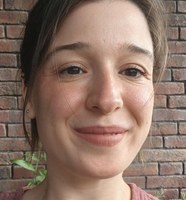
Thesis defence by Maria Moreno Druet
- https://ilee.unamur.be/events/thesis-defence-by-maria-moreno-druet
- Thesis defence by Maria Moreno Druet
- 2026-12-09T15:30:00+01:00
- 2026-12-09T18:30:00+01:00
- When Dec 09, 2026 from 03:30 PM to 06:30 PM (Europe/Brussels / UTC100)
- Where Auditorium H3 (Building D), Hasselt University, Diepenbeek Campus
-
Add event to calendar
 iCal
 Title: Soil saprotrophic fungi under heat wave temperatures: acclimation, trait value shifts, and microbial competition
Climate change is increasing the frequency and intensity of heat waves, with potentially important consequences for soil functioning. Saprotrophic fungi play a key role in organic matter decomposition and nutrient cycling, yet their responses to heat waves remain poorly understood. Therefore, this thesis investigates the responses of soil saprotrophic fungi to heat wave temperatures using Petri dish experiments and soil microcosms.
Experiments with seven fungal species revealed limited and highly variable thermal acclimation, while pigmentation and spore production failed to predict fungal responses. A broader assessment of eco-physiological traits across six species showed pronounced but taxon-specific trait shifts under heat wave temperature. These shifts were not consistently correlated with one another and generally failed to predict changes in intrinsic growth. In fungal-bacterial cocultures, fungi consistently reduced bacterial abundance, likely through pH-mediated acidification, whereas bacterial effects on fungi were limited. These interactions remained largely unchanged under elevated temperatures. Finally, a droplet digital PCR (ddPCR) workflow was developed to quantify fungal abundance in soil microcosms. In contrast to observations from Petri dish experiments, the target fungal species reached higher abundance under reference than under heat wave temperature.
Overall, this thesis illustrates that soil saprotrophic fungal responses to heat waves are both ecologically context-dependent and taxon-specific. The limited predictive power of the traits examined, and the contrasting responses observed between laboratory and soil experiments highlight the challenges of extrapolating individual fungal responses to more complex environments. Accounting for this variability is essential to improve predictions of soil microbial functioning and its contribution to ecosystem responses under future climate change.
Maria will present the results of her PhD thesis, conducted at the University of Hasselt & in the Biology Department (URBE) under the supervision of François RINEAU (UHasselt) & Frederik De Laender.
Further information on Terranostra.
